A practical guide to how machine paint correction removes swirls and scratches, what it can and cannot fix, and why it matters in the Algarve.
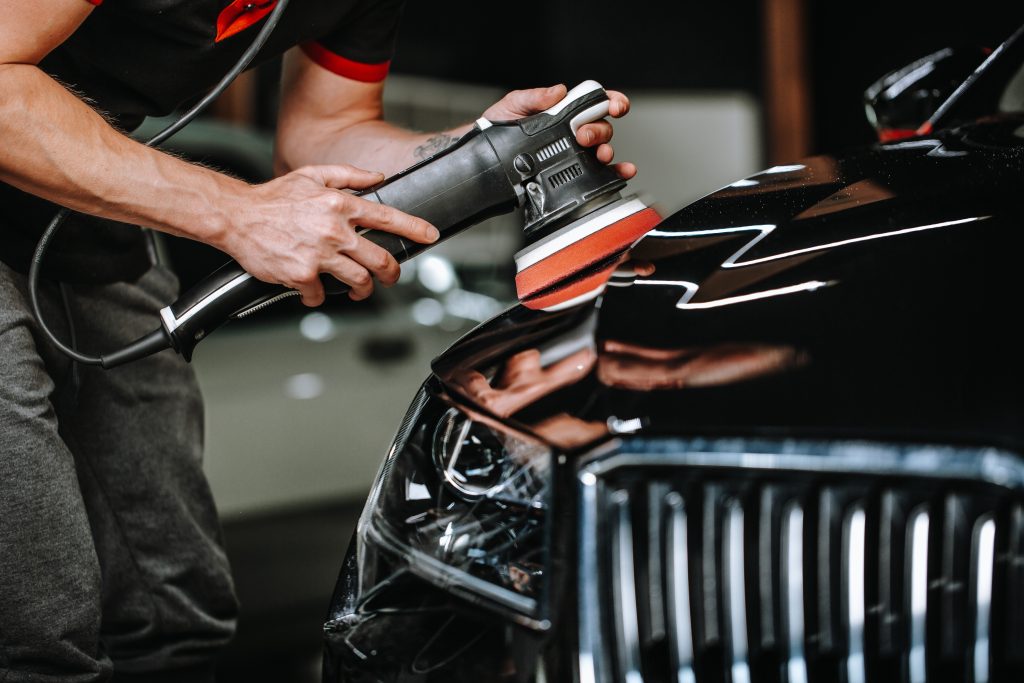
Most of what people call "scratches" on a modern car are not scratches at all. Under direct Algarve sun, the fine web of spider-like marks you see swirling across a bonnet or door is a field of shallow scuffs in the clear coat, the transparent top layer that sits over the colour. These swirl marks scatter light instead of reflecting it cleanly, which is why paint looks hazy, dull or milky in bright conditions and often deceptively fine indoors. Paint correction is the process of removing a controlled amount of that clear coat with an abrasive polish and a machine, levelling the surface so light reflects true again.
It helps to understand where these marks come from, because most of them are self-inflicted. The single biggest cause is washing: dragging a dry or gritty cloth across the paint, using a single bucket, or letting an automatic brush touch the car. In our region there is an extra factor. The Calima, the periodic Saharan dust that settles over the golden triangle, leaves a fine abrasive film on every surface. Wipe that off dry, or let it sit and bake under UV, and you are effectively sanding your own paint. Coastal salt air and hard water spots add their own etching. This is why cars in Vale do Lobo, Quinta do Lago and Vilamoura, especially second homes that sit for weeks between drives, often need correction even with low mileage.
The work itself is measured, not aggressive. A proper correction starts with a decontamination wash and a clay treatment to pull bonded grit out of the surface, followed by paint-depth readings with a gauge. Clear coat is finite, usually well under a tenth of a millimetre, and every correction removes a little of it, so knowing how much you have is what separates a safe job from a risky one. The technician then tests a small section to find the least aggressive combination of pad and polish that clears the defects. Heavier cutting removes deeper marks but leaves its own micro-haze, which is refined out with progressively finer stages until the finish is genuinely clear rather than filled or masked.
Honesty about limits matters here. Correction removes defects that sit within the clear coat. If you run a fingernail across a scratch and it catches, the damage has usually reached below the clear, and no amount of polishing will erase it without going into repaint territory. Deep key marks, stone chips down to primer or metal, and dents are bodywork jobs, not polishing jobs. A skilled hand can often reduce the visual sharpness of a deep scratch by softening its edges, but reducing is not removing, and we would rather tell you that in person than promise a miracle over a photo. This is also why we inspect the car and read the paint before quoting a fixed price, never a blind number over WhatsApp.
There is also a real trade-off to respect. Because correction thins the clear coat, it is not something to repeat every year for cosmetic reasons. A car might take one or two genuine corrections in its life before the clear becomes too thin to work safely. That reality shapes the sensible sequence: correct the paint properly once, then protect that result so it lasts. A corrected surface with no protection will simply swirl again the next time it is washed carelessly.
This is where correction connects to everything else we do. Once the paint is levelled and clear, it is the ideal moment to apply a ceramic coating for gloss and easier, safer washing, or paint protection film on high-impact areas, or both, because you are locking in a genuinely clean surface rather than sealing defects underneath. A ceramic layer will not stop a stone chip, and it will not undo swirls, but on freshly corrected paint it makes the finish far more forgiving of Calima dust and beach-run grime.
The most useful thing an owner can do is prevent the damage in the first place. Touchless rinsing to lift dust before anything touches the paint, two-bucket washing with clean media, soft drying, and a three-monthly check keep a corrected finish looking corrected for years. Paint correction restores the paint you already have; disciplined aftercare is what stops you needing it again.
If this applies to your car, these pages take you straight to the right service.
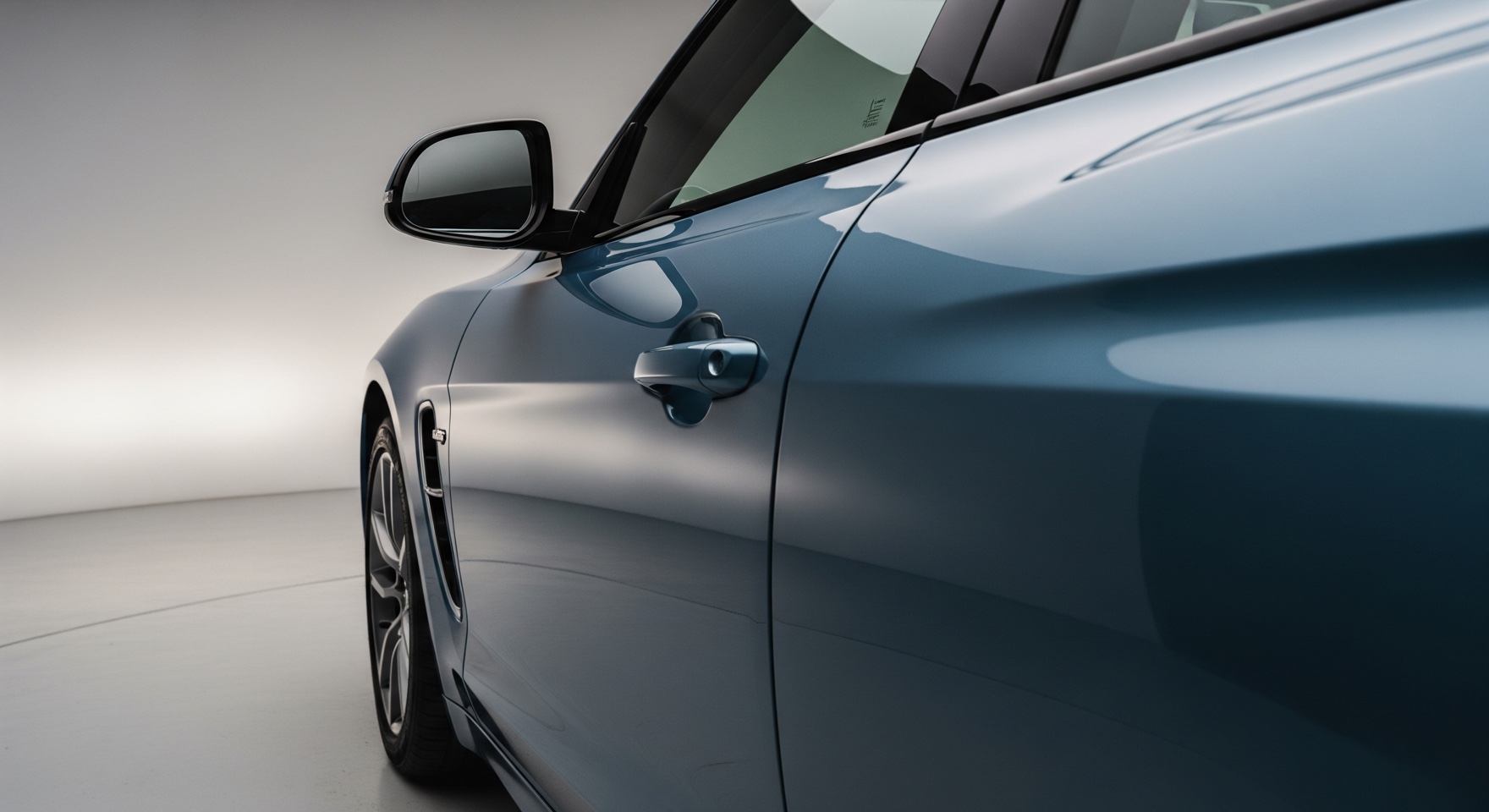
The Care Club member discount applies to a fixed, closed list of detailing services, led by paint correction, and not to everything JustCars does.
A paint thickness gauge tells us how much material we have to work with before correction, but it cannot see everything that matters.
Why black paint exposes every swirl and how disciplined, measured correction restores real clarity rather than a temporary fill of gloss.