A clear look at full-body paint protection film — what it protects against, what it does not, and why it suits Algarve driving.
When people say they want their whole car "wrapped for protection," they usually mean one of two very different things. A colour or vinyl wrap changes how the car looks. A full-body wrap in paint protection film, or PPF, is about keeping the paint underneath in the condition it left the factory. The two can overlap, but the job we are describing here is the second one: a clear, thick, self-healing film applied over every painted panel that faces the road and the weather.
PPF earns its place because of what it physically is. It is a tough urethane layer, meaningfully thicker than a coating, that sits between your paint and the outside world. When a stone flicks up off the motorway, it hits the film instead of the lacquer. Light swirl marks and fine scratches in the film's top layer soften and disappear with heat — a warm day or hot water is often enough. That self-healing quality is real, but it has limits: a deep gouge that reaches the adhesive or the paint will not vanish, and the film manages impacts rather than making the car indestructible.
This is where an honest distinction matters, because the two products are often confused. Ceramic coating is a micron-thin glass-like layer that gives you gloss, easier cleaning and water that beads and runs off. It does very little against stone chips. PPF is the physical armour; ceramic is the finish and the ease of maintenance. Many owners choose both — film on the panels most exposed to damage, a ceramic layer on top for shine and slickness — and the two work together rather than competing. Neither replaces the other.
The Algarve gives full-body film a specific job to do. The sun here is relentless for much of the year, and quality PPF carries UV inhibitors that slow the fading and yellowing that strong light drives. Then there is the Calima — the Saharan dust that drifts in and settles as a fine, gritty film over everything. Wiped across dry paint by an impatient hand or a careless car wash, that grit is exactly what puts the light scratching into a finish over time. Add the salt in the coastal air near Vale do Lobo, Quinta do Lago and Vilamoura, and you have paint that is under quiet, constant pressure. Film takes the brunt of it. For a second home that sits for weeks between visits, or a car that lives outdoors more than most, that buys real peace of mind.
Coverage is a genuine choice, not a fixed package. A full wrap covers every painted exterior panel, which is the most complete protection and the most involved to fit, because the film has to be wrapped cleanly around edges and complex curves. Many owners instead protect the high-impact areas — the front bumper, bonnet, wings, mirrors and the leading edge of the roof — where nearly all the stone damage lands, and leave the rest. Both are valid. Which makes sense depends on the car, how and where it is driven, and how long you intend to keep it, which is exactly why we look at the car in person before quoting rather than guessing from a photo.
It helps to be plain about cost and lifespan. Full-body PPF starts from around six thousand euros, and a flagship, longest-life installation from around ten thousand; the film itself typically performs well for around seven years before it is worth renewing. The manufacturer stands behind the film with a ten-year warranty, and we add a one-year warranty on the installation itself. Those warranties stay meaningful through simple three-monthly aftercare, not through inflated headline numbers — a car that is looked after keeps its protection working as intended.
None of this is magic, and we would rather you knew the trade-offs going in. Film is a considered investment, fitting a full car takes time and skill, and no protection makes a car immune to everything. What good PPF does is take the everyday damage that would otherwise reach your paint — the chips, the dust, the sun, the salt of coastal Algarve life — and absorb it instead. On a car you plan to keep and enjoy for years, or one you want to hand on with its finish intact, that is a sound and honest reason to wrap it.
If this applies to your car, these pages take you straight to the right service.
STEK certification ties the film's manufacturer warranty to a trained installer, which matters far more in the Algarve than any headline number.
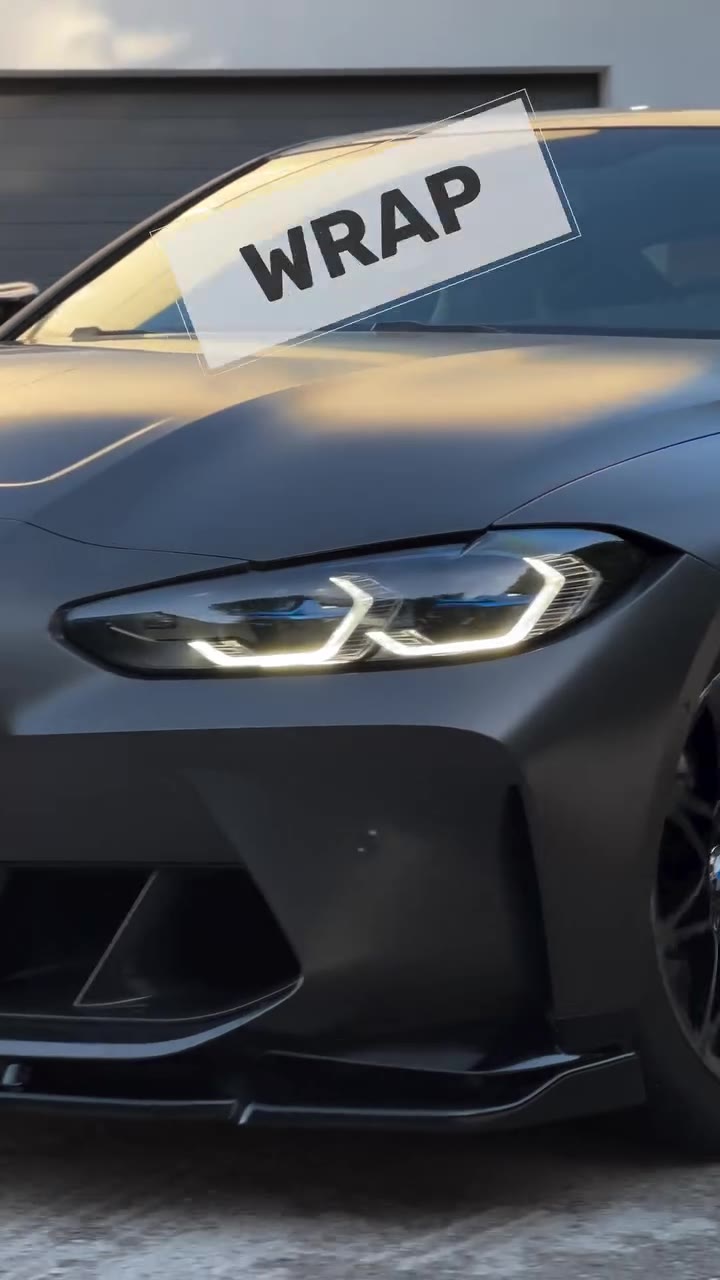
BMW M4 — PPF & wrap at the JustCars studio in Almancil.
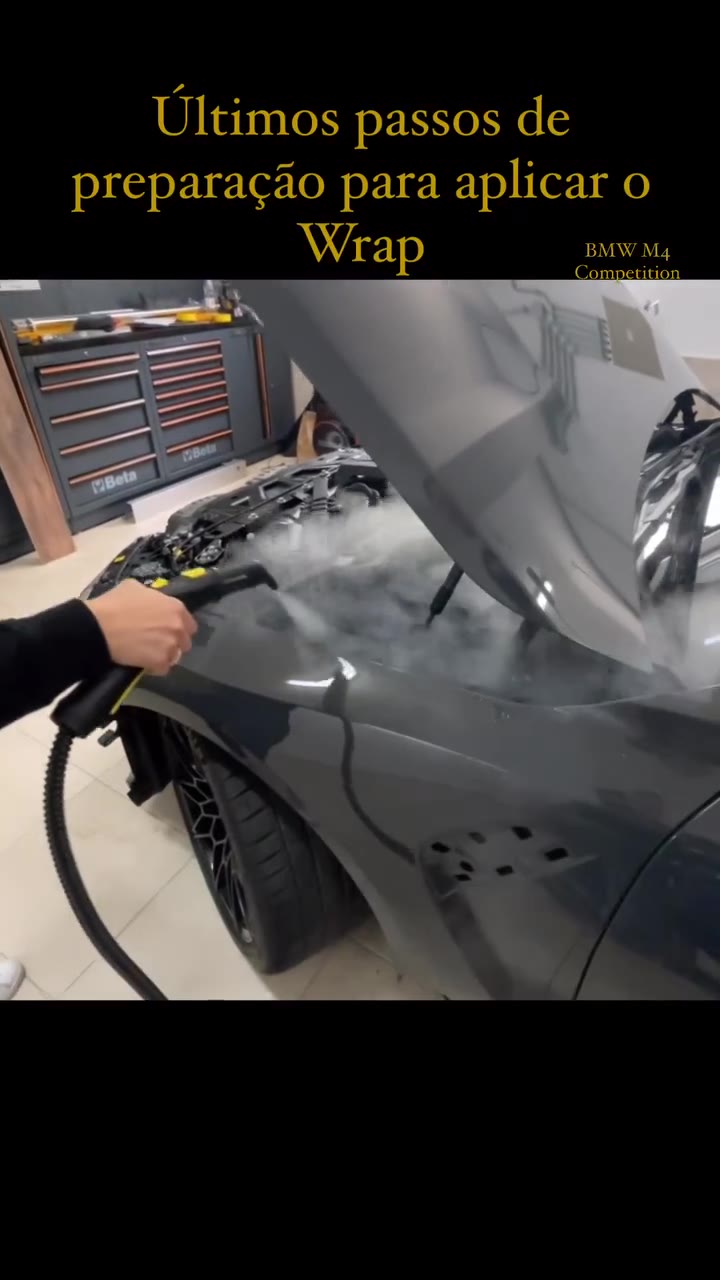
PPF & wrap — real work from the JustCars studio floor in Almancil.