Coloured paint protection film changes how a car looks while shielding the paint underneath — here is how it differs from a wrap and where its limits lie.
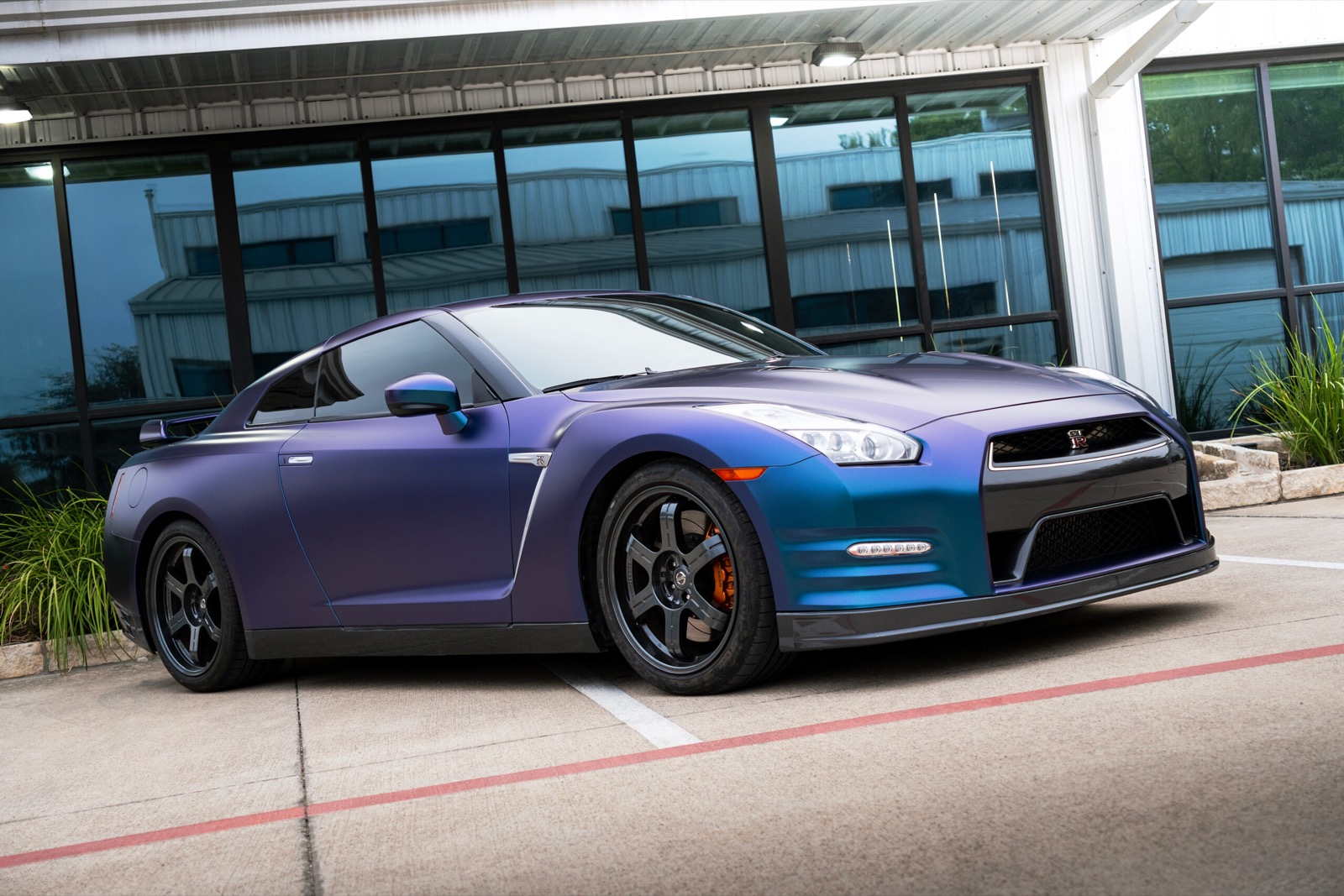
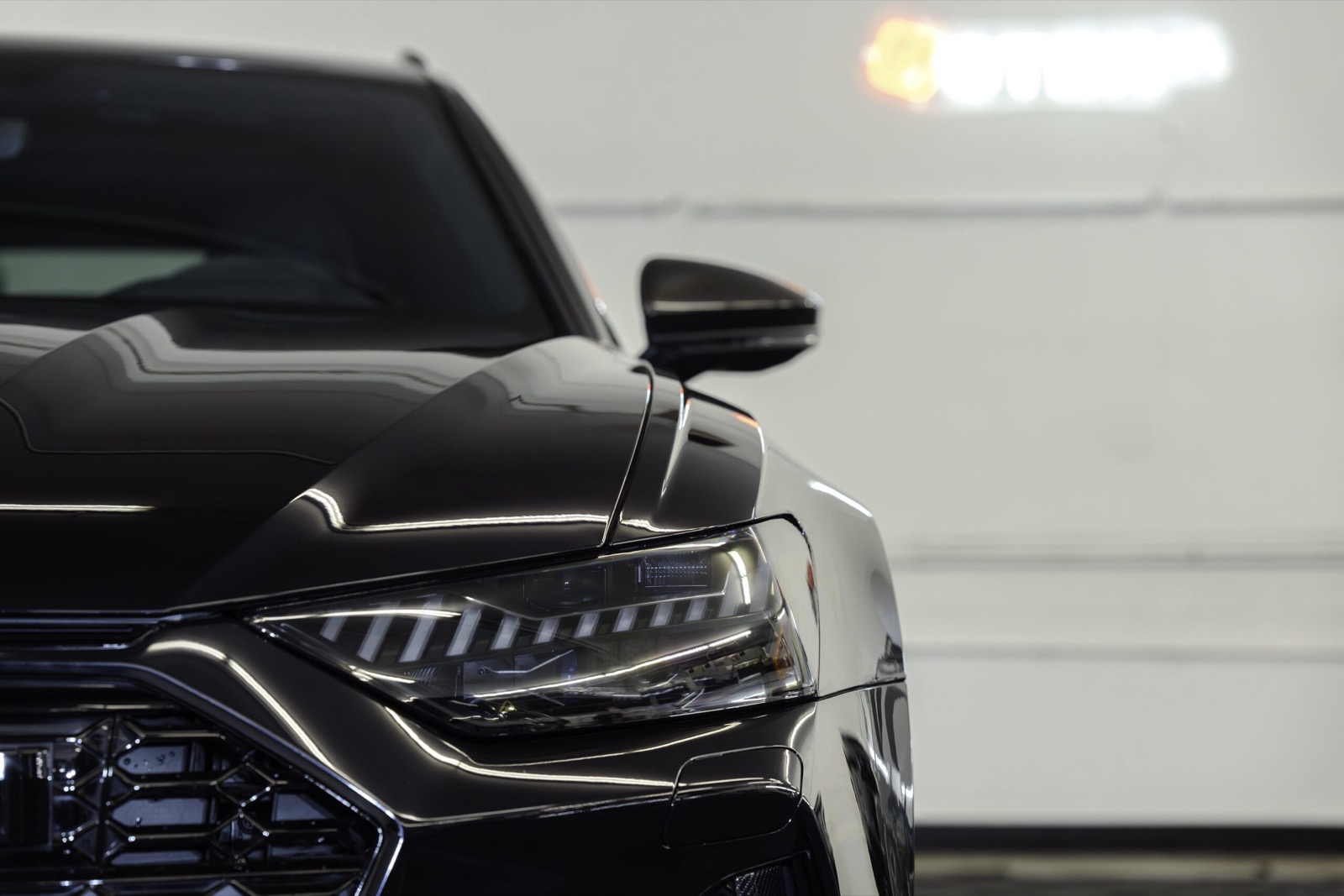
For years, owners in the Algarve have had to choose between two ideas that felt separate. On one side sat paint protection film, or PPF: a thick, clear, self-healing layer whose only job was to take stone chips so the paint did not. On the other sat vinyl wrapping, which changed a car's colour and finish but offered little real defence against a flint thrown up on the road to Vale do Lobo. Coloured PPF closes that gap. It is a protection film first, engineered to the same thickness and self-healing chemistry as clear PPF, but pigmented or finished so that it also changes how the car looks.
The distinction that matters is what the film is built to do. Clear PPF and coloured PPF share the same core purpose: they are sacrificial. When a stone strikes at speed, the film absorbs and disperses the impact, and the top coat closes fine swirl marks with heat from the sun or warm water. A vinyl wrap is thinner and softer, made to conform and to look good, not to stop a chip. So when someone offers you a "colour change wrap" and a "coloured PPF" at very different prices, they are not two versions of the same product. They are different materials doing different jobs, and the price reflects that.
Coloured PPF suits a particular kind of owner. If you want a satin, matte, or shifted colour that your factory never offered, and you also drive the car — school runs to Quinta do Lago, the airport dash, the coast road with its grit and sea spray — a coloured film gives you the new look and the mechanical protection in a single layer. It is popular on darker cars that show every wash mark, and on second homes' cars that sit for weeks under strong sun and Saharan Calima dust before being driven hard again. The film also protects the original factory paint underneath, which matters at resale: peel it off years later, within reason, and the paint it covered has been shielded from UV fade and chips.
Be clear-eyed about the trade-offs. Coloured PPF is a considered, semi-permanent change, not a weekend swap. Removal is straightforward when the film is in good condition and the underlying paint is sound, but a matte or coloured finish is not something you flip every season the way you might imagine with vinyl. Colour and gloss are also a matter of physics: a pigmented or satin film reads differently from wet, deep factory paint, and matte finishes ask for their own care routine — no automated brushes, no aggressive polishing, gentle hand washing that respects the texture. On a very dark or metallic car the eye can notice a film has been applied, especially up close. An honest installer will show you a sample panel on your actual colour in daylight before you commit.
Two points on the specifics. First, we do not publish a running list of which coloured-film brands and shades sit on our shelves at any given moment, because stock and manufacturer ranges move. The right approach is to tell us the finish you are chasing and let us match it to a film that genuinely performs, rather than fitting whatever colour happens to be in the building. Second, coloured PPF and ceramic coating are not rivals. PPF, coloured or clear, is the physical armour; a ceramic layer is a micron-thin gloss and hydrophobic top that makes washing easier and beads off Calima-laden rain. Plenty of cars carry both, and a coloured film can be topped with ceramic to ease upkeep.
As with any protection work, we inspect the car in person before quoting. Coverage varies — a full body, a partial front, a roof and mirrors — and the paint's current condition changes what makes sense underneath the film. That is why we give a fixed price after seeing the car, not a number over a photo. The warranties that come with quality film are real, but they stay alive through routine aftercare, our three-monthly check being the honest mechanism, not an inflated headline figure. If a coloured PPF is right for how you use and enjoy the car, it is one of the few upgrades that genuinely improves both how the car looks and how well it survives an Algarve summer. If a simpler clear film or a ceramic package serves you better, we will say so.

If this applies to your car, these pages take you straight to the right service.
A practical guide to reading car-care product labels and matching wash routines to the Algarve's sun, salt and Calima dust.
A plain look at how modern chemical surface-restoration works, where it genuinely helps Algarve cars, and where it does not.
PPF is tough TPU film that absorbs stone chips; vinyl wrap is thinner PVC made mainly for colour, and knowing the difference matters before you book.