A plain look at how modern chemical surface-restoration works, where it genuinely helps Algarve cars, and where it does not.
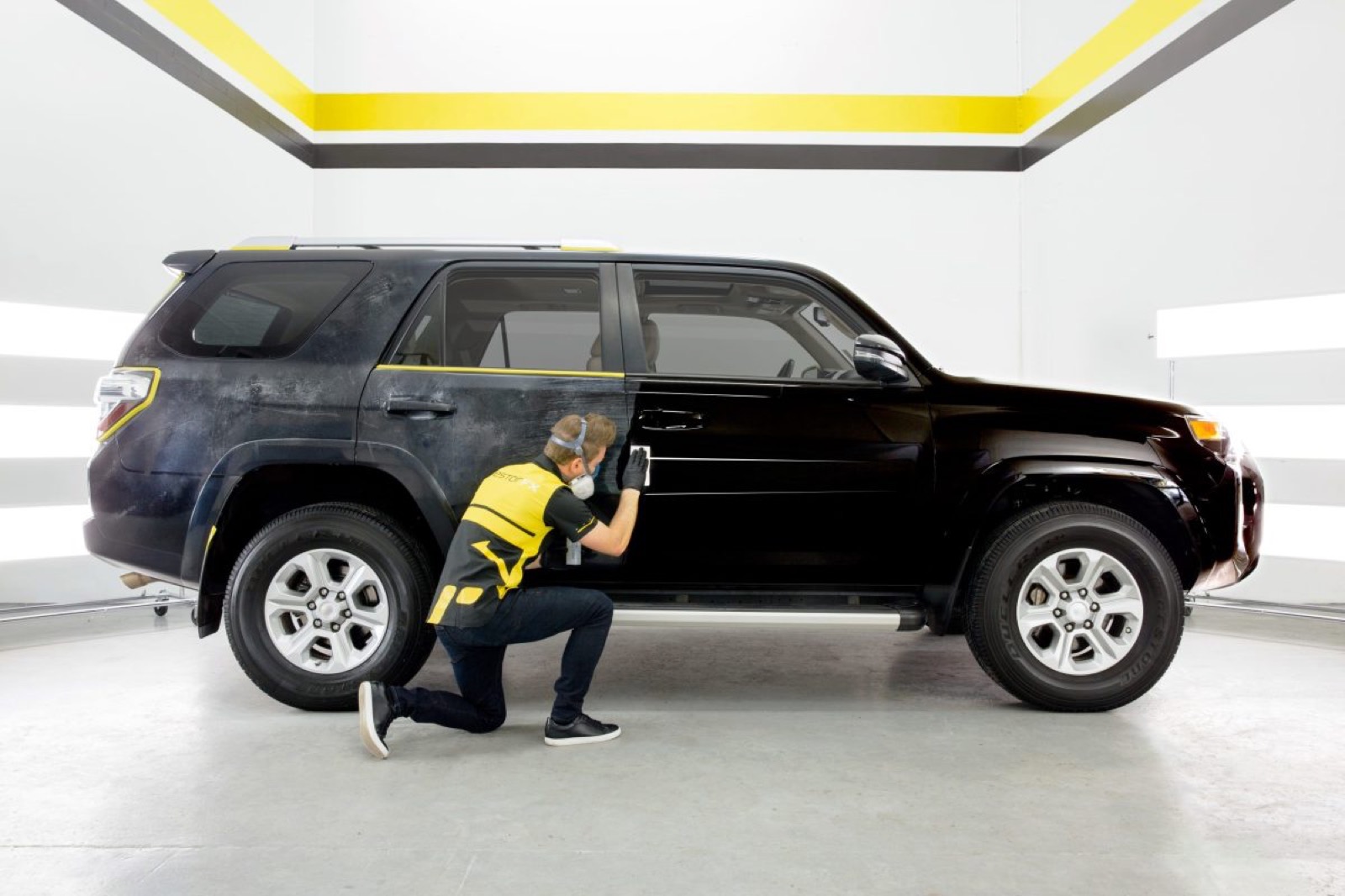
For years, fixing dull, swirled or lightly scratched paint meant one thing: abrasive polishing. You remove a few microns of clear coat with a machine and compound until the defects are level with the surrounding surface. It works, and skilled correction remains the backbone of what we do. But every abrasive pass spends a finite resource. Modern factory clear coats are typically only around 40 to 50 microns thick, and once that layer is gone, the only honest answer is a repaint. That constraint is exactly why a different family of surface-restoration technology has become interesting.
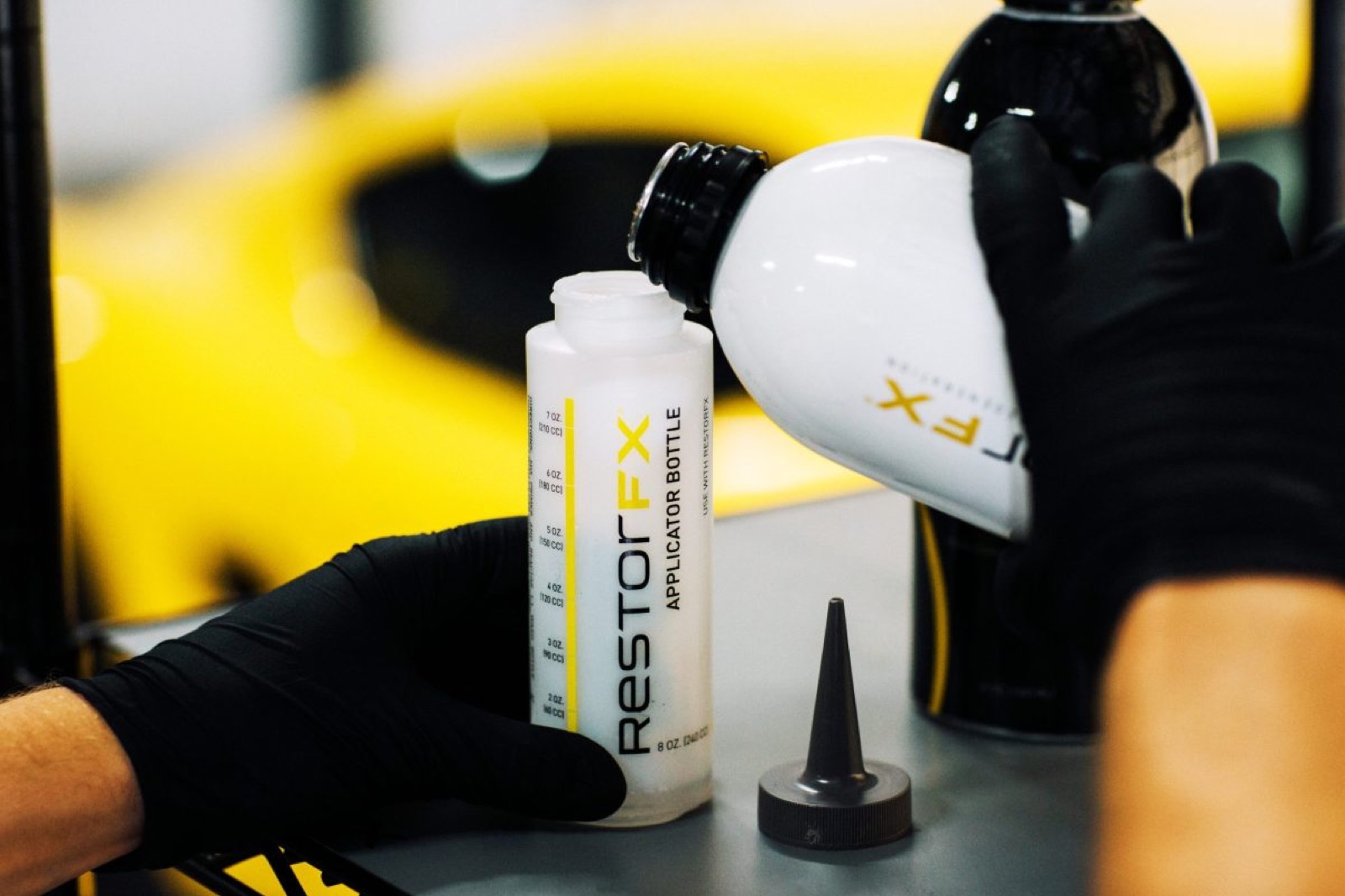
The newer approach is chemical rather than purely abrasive. Instead of grinding the clear coat down to meet the bottom of a defect, a reactive resin is worked into the existing surface, filling and bonding within the micro-texture and then curing into a renewed protective layer. In practice a good restoration technician still assesses, still preps, and often still does light mechanical work first. The difference is that the process can rejuvenate tired clear coat while removing far less material, which matters most on cars that have already been polished several times over their life.
For Algarve owners this is not an abstract benefit. The combination here is genuinely hard on paint: months of strong UV that slowly degrades resins and fades pigment, fine Saharan Calima dust that settles as a mild abrasive and gets dragged around during careless washing, and salt-laden sea air near the coast that accelerates oxidation on neglected surfaces. A second-home car that sits at a villa in Quinta do Lago or Vale do Lobo between visits often bakes under a cover or in the open for weeks, then gets wiped down in a hurry. That pattern produces exactly the kind of diffuse dullness and light marring where a restorative, low-removal method can bring back depth without cashing in clear coat you cannot replace.
It is important to be clear about limits, because the technology is often oversold elsewhere. This is not a filler that hides damage cosmetically for a month and then washes out, and it is also not magic. Deep scratches that have cut through the clear coat into the colour or primer are still a repaint or a bodywork job, handled through master painters. Chips down to metal are chips. Failed or delaminating factory clear coat has a point of no return. What restoration technology does well is renew and protect clear coat that is oxidised, hazed or lightly marred but still fundamentally intact, and it can do that on trim, headlights and some other surfaces too, not only body panels. Deciding which case you are actually in is the whole job, and it cannot be done honestly from a phone photo.
As an official RestorFX centre we work with this category of restoration, and the wider field keeps evolving with newer formulations aimed at clarity, durability and easier maintenance. We would rather describe the concept than name a specific product or generation we have not confirmed is in front of us, because the right treatment depends entirely on the car's condition, its history and how it is used. The honest process is the same one we apply to everything: we inspect the car in person, read the paint, and give a fixed price for the actual work, not a blind quote.
It also helps to place restoration correctly against the other things people ask us for. Paint protection film is a thick, self-healing physical layer that takes stone-chip impacts for you, and our STEK film carries a ten-year manufacturer warranty with a one-year installation warranty. Ceramic coating is a micron-thin gloss and hydrophobic layer that makes washing easier and adds shine, but it is not chip armour. Surface restoration sits in a different place again: it addresses the paint you already have, bringing it back before you decide how to protect it. Many cars end up with a sensible combination, and the sequence usually matters, restore or correct first, then protect.
The practical takeaway for an owner here is simple. If your paint looks tired, flat or lightly hazed rather than physically gouged, restoration technology may recover it with far less clear-coat sacrifice than repeated heavy polishing, which buys the surface more life over the years you keep the car. If the damage is deeper, we will tell you plainly and route it to the correct fix. And whatever we recommend stays healthiest the same way any of our work does: sensible washing and roughly three-monthly aftercare, so the result you paid for is still there several summers of Algarve sun later.

If this applies to your car, these pages take you straight to the right service.
A practical guide to reading car-care product labels and matching wash routines to the Algarve's sun, salt and Calima dust.
Coloured paint protection film changes how a car looks while shielding the paint underneath — here is how it differs from a wrap and where its limits lie.
PPF is tough TPU film that absorbs stone chips; vinyl wrap is thinner PVC made mainly for colour, and knowing the difference matters before you book.