How a thin protective film and proper headlight restoration protect one of the most expensive-to-replace parts of a modern car.
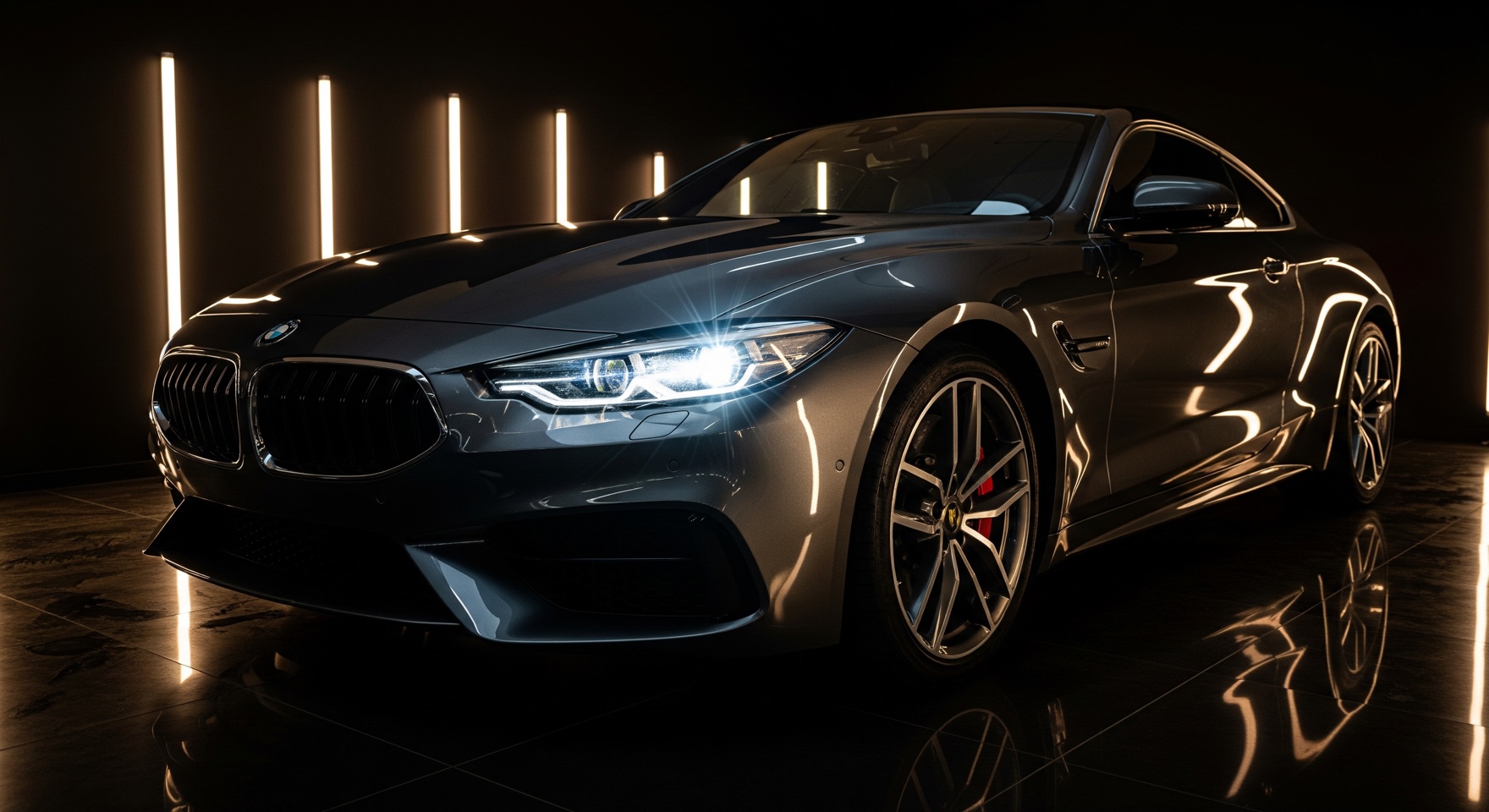
Headlights rarely get much thought until the day one cracks, yellows, or fills with condensation. On a modern car that day is expensive. A single LED or matrix headlight unit on a premium German or British model can cost more than a full ceramic coating, and on some cars the light is tied into cameras and driver-assistance sensors, which means calibration on top of the part. Against that, a headlight protection film is one of the cheapest pieces of insurance you can put on a car. It is a small piece of the same thick, self-healing paint protection film we apply to bonnets and bumpers, cut to the exact shape of the lens.
The threat here is not only the dramatic stone chip. It is the slow, grinding sandblast of ordinary driving. On the A22 and the roads feeding Vale do Lobo, Quinta do Lago and Vilamoura, headlights take a constant low-level peppering of grit thrown up by other cars. Add the Saharan Calima that drifts over the Algarve and coats everything in fine abrasive dust, and every wash and every drive works like very mild sandpaper on the lens surface. Over years this is what turns a crisp, clear headlight cloudy long before the car is old.
PPF over the lens does two useful things. It takes the physical hits, so small stones meet film instead of polycarbonate, and its self-healing top layer swallows the light swirl marks that dull a lens over time. Just as importantly, a quality film carries UV inhibitors. Headlight lenses are polycarbonate with a thin factory hard-coat, and it is ultraviolet light that eventually breaks that coating down and lets the plastic go yellow and hazy. In a region with the sun hours the Algarve gets, that UV load is relentless, and a film that shades the lens slows the process meaningfully. It does not stop physics entirely, and no honest installer will tell you it makes a headlight indestructible, but it changes the odds heavily in your favour.
Restoration is the other half of the story, for headlights that have already gone. When a lens is yellowed or foggy, the damage sits in that degraded top layer. Proper restoration means sanding back through the failed coating in stages, polishing the plastic clear again, and then sealing it. The step people skip is that sealing. A quick machine buff on its own looks brilliant for a few weeks and then hazes over faster than before, because the protective layer is now gone and bare polycarbonate is exposed to the sun. Done properly, the lens is refinished and then given a durable protective coating, or better still capped with PPF, so the clarity actually lasts. Restoration is genuine repair, not a permanent fix, and a lens that is cracked, internally fogged, or delaminated is a replacement job, not a polish.
The sensible sequence is simple. On a new or nearly new car, protect the lenses while they are still perfect and you keep the factory clarity for years. On an older car, restore first, then protect, so you are not sealing a UV coating over damage. This is also where the difference between film and coating matters, and it is the same logic as protecting paint. Ceramic-style sealers add gloss, water repellency and some UV resistance, but they are microns thick and offer no real defence against a stone. Film is physical armour. For a headlight, which faces both abrasion and impact, the film is usually the stronger choice, and many owners pair the two.
For villa and second-home owners in the golden triangle, there is a practical angle beyond the lens itself. A car that sits for weeks between visits still ages under the same sun and the same salt-laden coastal air, and it is far easier to protect clear headlights now than to chase condensation or replace a fogged unit later. As with any protection work, we would rather look at the actual car and its lenses in person and give you a fixed price than quote blind from a photo, because a lens that only needs a film is a very different job from one that needs restoring first. It is a small piece of film on the front of the car, and it quietly protects one of the parts you would least want to pay to replace.

If this applies to your car, these pages take you straight to the right service.
A plain look at how our offers are structured, why we avoid artificial deadlines, and how to judge whether a promotion is genuinely worth taking.
How a car interior is properly deep-cleaned, protected and, when needed, rebuilt — and where the honest limits of restoration sit.
How our collection and delivery service works around the golden triangle, why we use a distance radius, and what it means for booking longer jobs.