An honest look at full-body paint protection film, what a lifetime PPF package actually protects, its real limits, and why it suits Algarve conditions.
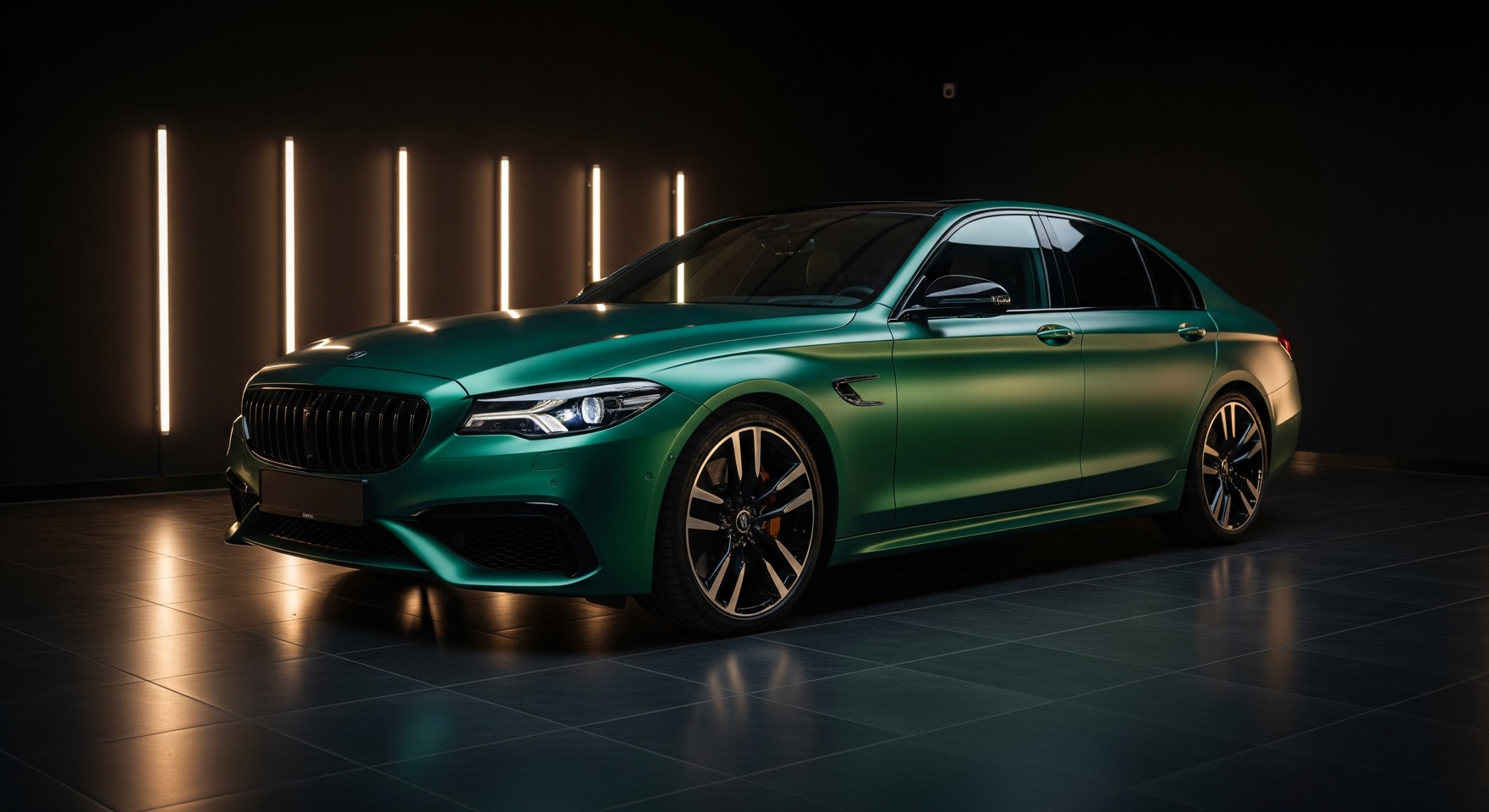
Paint protection film, or PPF, is the most misunderstood upgrade in car care, and the "lifetime" flagship version even more so. So let's be precise about what it is. PPF is a thick, clear urethane film, applied over your paint, that physically absorbs the energy of road debris. Stone chips, gravel thrown up on the A22, the abrasive grit of a gravel villa driveway, a careless trolley in a Vilamoura car park, light scratches from washing, all land on the film instead of the paint. It is self-healing, which means fine swirl marks close up with the warmth of the sun or hot water. This is genuine, mechanical protection, not a cosmetic gloss treatment.
That distinction matters because PPF and ceramic coating are constantly confused, often deliberately. Ceramic is a micron-thin layer that adds gloss and makes water bead and roll off. It is excellent at what it does, but it stops no stone chip. It has roughly the thickness of a coat of varnish. PPF is measured in real thickness and takes the hit. Many owners fit both: film on the panels that catch debris, then a ceramic layer on top for easier cleaning and depth of shine. Neither one replaces the other, and anyone telling you a coating protects against chips is selling you something it isn't.
The flagship "lifetime" package means full-body coverage, every painted panel wrapped, rather than the common partial job of just the front bumper, bonnet edge and mirrors. Full coverage is the honest way to protect a car, because chips do not only strike the front. Sandblasting from the wind, door edges, the rear arches behind the wheels, the lower doors on coastal roads, all take damage over years. A lifetime flagship starts from around ten thousand euros, and that figure reflects the sheer film area, the hours of precise fitting around every curve and edge, and the quality of the material. A full-body PPF in general starts from around six thousand.
Here in the Algarve, the case for film is stronger than in most of Europe, and it is worth understanding why. The sun is relentless and the UV load is high, which fades and hardens unprotected paint over time; quality film carries UV inhibitors that shield the clear coat beneath. The Calima, the Saharan dust that periodically settles over the region, is fine and abrasive, and every careless wipe of it drags grit across your paint. Then there is the sea air. Salt-laden coastal humidity is corrosive and works into stone chips, where it can start rust at the exposed metal. Film keeps that first breach from happening. For a villa or second-home owner whose car sits for weeks between visits, that passive, always-on protection has real value.
Now the honest limits, because a good installer names them. The film itself carries a manufacturer warranty in the region of ten years against yellowing, cracking and delamination, with a separate installation warranty on the fitting. But "lifetime" is a marketing word, not a promise of permanence. Film is a wear layer; it takes damage so the paint doesn't, and a deep enough impact can still mark the paint underneath. It needs correct aftercare, which for us means a proper inspection roughly every three months to keep edges clean and the warranty alive. Film does not love being neglected for years and then blamed. And it should go onto sound paint; applying it over existing swirls or a bad respray locks those flaws in.
A word on price and pressure, because the market here is noisy. We inspect the car in person before quoting a fixed price, never a blind number over a WhatsApp photo, because coverage, paint condition and panel complexity all change the real figure. We choose the film and the extent of coverage that suit the car and how you use it, not the option that protects a margin. If partial coverage is genuinely the sensible choice for your budget and driving, we will say so rather than push the flagship. A car that mostly lives in a garage and does short golden-triangle trips has different needs from a daily driver on the motorway.
If you are weighing the lifetime flagship, think about how long you will keep the car, where it drives, and how it is stored. The film pays back over years, not weeks, and it protects resale value as much as daily appearance. Come and let us look at the actual car. A fixed price you can trust starts with honest eyes on the paint, not a guess.

If this applies to your car, these pages take you straight to the right service.
A plain look at how our offers are structured, why we avoid artificial deadlines, and how to judge whether a promotion is genuinely worth taking.
How a car interior is properly deep-cleaned, protected and, when needed, rebuilt — and where the honest limits of restoration sit.
How a thin protective film and proper headlight restoration protect one of the most expensive-to-replace parts of a modern car.