A ceramic coating deepens gloss and makes washing far easier for years, but it is a thin gloss layer, not stone-chip armour.
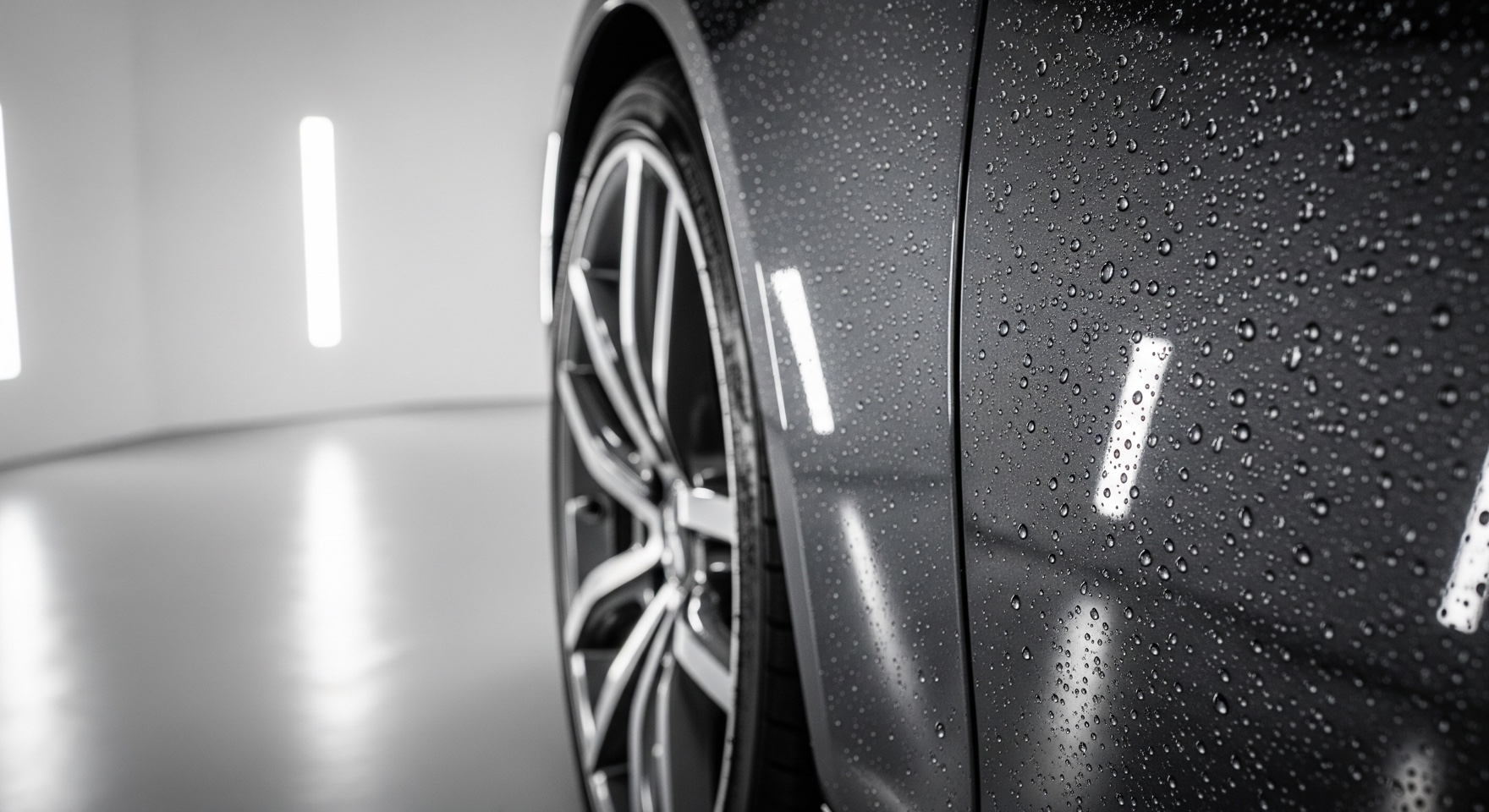
A ceramic coating is a liquid glass-like layer, only microns thick, that chemically bonds to your paint's clear coat and cures into a hard, slick, water-repelling surface. It does two honest things very well: it deepens the gloss so the colour looks wetter and clearer, and it makes the car far easier to keep clean. Water beads and sheets off, dust and grime struggle to key in, and a maintenance wash takes a fraction of the effort. On a dark metallic parked under the Algarve sun, the difference in depth and clarity is the kind you notice every time you walk up to the car.
It helps to be clear about what a coating is not. It is not paint protection film. PPF is a thick, self-healing polyurethane layer that physically absorbs stone chips and road rash; ceramic is a micron-thin gloss and hydrophobic layer that will not stop a chip from a flying stone on the road to Vilamoura. Many owners run both — PPF on the high-impact front end, ceramic over the rest and often over the film itself for uniform gloss and easier cleaning. A coating also does not make the car scratch-proof. It adds some scratch resistance and a sacrificial layer, but a dirty sponge and bad technique will still mark it. What it changes is how forgiving and how easy the paint is to live with.
The Algarve is genuinely hard on paint, which is part of why a good coating earns its place here. The UV load is high for most of the year and fades and oxidises unprotected clear coat over time. Saharan Calima dust settles in fine, gritty films that turn an ordinary wash into a scratch risk if you rush it. Coastal salt and sea air near Vale do Lobo, Quinta do Lago and the coast add a corrosive, sticky element that clings to the finish. A ceramic layer does not make any of this disappear, but it gives you a harder, slicker barrier that releases contamination more readily and buys you an easier, safer wash — which matters most for the villa and second-home owner whose car sits for weeks between visits and greets them under a layer of dust.
The result depends almost entirely on preparation, and this is where corners get cut in the cheap end of the market. A coating is optical: it locks in the exact condition of the surface underneath, flaws included. So the honest process is wash, decontaminate the paint of embedded fallout and tar, then assess whether paint correction is needed to remove swirls and light scratches before anything is applied. Correction is separate skilled work with its own time and cost, and not every car needs the full treatment — a newer, well-kept finish may need very little. We inspect the car in person and give a fixed price for what it actually needs, rather than a blind quote over a photo or a one-size package.
This is also the clearest line between real coatings and the marketing. A genuine professional ceramic is a considered job — proper prep, controlled conditions, real cure time — and it is priced accordingly; our ceramic packages run from €1,000 to €2,000 depending on the vehicle and the correction involved. A €399 "ceramic" is almost always a glorified wax or sealant sold under a better-sounding name: it will bead nicely for a few weeks and then it is gone. The value of a coating is measured in years of easier washing and retained gloss, not in the first wet look on collection day.
None of it is set-and-forget, and anyone who tells you otherwise is overselling. A coating's slickness and beading are kept alive by sane maintenance: a proper two-bucket or safe contact wash, no automatic brush tunnels, and periodic aftercare so the hydrophobic top layer is topped up rather than allowed to wear flat. Realistically a well-made coating gives you several years of strong performance, gradually easing off toward the end rather than failing overnight, and that lifespan stretches or shrinks with how the car is washed and stored.
If you want the short version: choose ceramic for gloss and genuinely easier cleaning, choose PPF for physical impact protection, and consider both if the car and the budget justify it. Bring the car to our studio in Almancil or Loulé, let us look at the paint properly, and we will tell you honestly what it needs — including when it needs less than you expected.
If this applies to your car, these pages take you straight to the right service.
A clear, honest breakdown of what separates our three ceramic tiers, and why the price difference is mostly paint preparation, not the coating bottle.
A plain look at what a bargain ceramic coating usually is, why it fades fast in the Algarve, and what the real cost turns out to be.
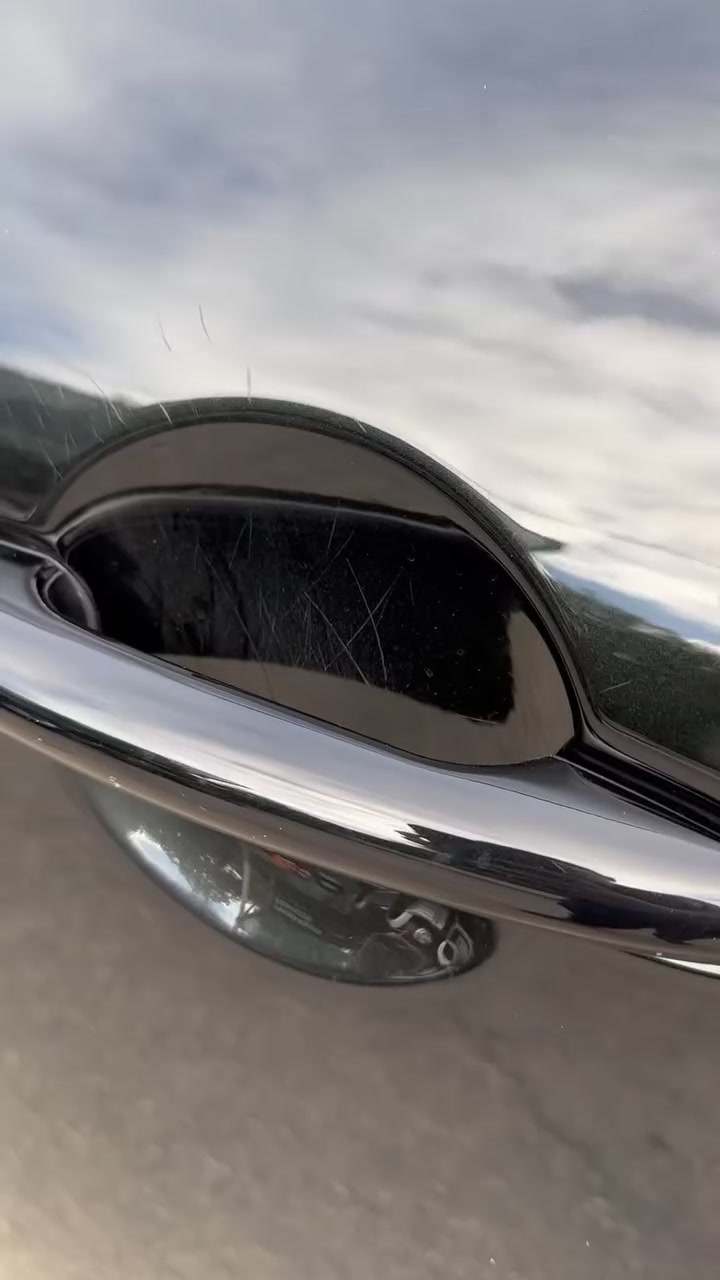
MINI — ceramic coating at the JustCars studio in Almancil.