A careful hand wash and regular maintenance detail is the least glamorous and most decisive step in keeping Algarve paintwork healthy over years.
Most of the fine scratches you see under sunlight were not put there by the road. They were put there by washing. Swirl marks, that hazy web of micro-scratches that dulls a dark car, are almost always the result of dragging grit across the paint with a sponge, a drive-through brush, or a single dirty bucket. This is why we treat the humble hand wash as a real detailing service rather than a chore, and why for a car you care about it matters more than any one-off coating.
The physics are simple. Paint clearcoat is soft enough to mark, and the Algarve gives it plenty to fight. Fine Saharan Calima dust settles as an abrasive film; coastal salt and sea air leave a mineral residue that bonds to the surface; and long hours of strong UV keep the panel hot, so water and any product on it flash-dry into spots. Wipe a dusty, salty panel with a dry or gritty cloth and you are effectively sanding it. The goal of a proper wash is to lift and float that contamination away before anything touches the paint under pressure.
In practice that means a real sequence rather than a quick going-over. We rinse first to clear loose dust, apply a foam or pre-soak to soften bonded grime, and use the two-bucket method with grit guards so the dirty mitt is rinsed in a separate bucket and never reloaded with the debris it just collected. Wheels, arches and the lower body, the dirtiest and most abrasive areas, are handled with their own dedicated tools so brake dust and road grit never migrate up onto the panels. We touch the paint deliberately and late, and we dry with controlled airflow and soft media rather than letting the Algarve sun leave mineral spots behind. On convertibles and soft-tops we take extra care around seams and fabric, where trapped water and harsh product do the real damage.
A maintenance detail goes a step beyond cleaning. Once the surface is truly clean we can assess it honestly: check for bonded contamination that a wash alone will not remove, refresh trim, clean glass properly so it sheds rain, and top up the protection already on the car. If your car wears ceramic or PPF, this is exactly how those layers are kept working. A ceramic coating is a micron-thin hydrophobic layer, not armour, and it degrades faster when salt and dust are left to sit and bake on it. PPF is a thick, self-healing film that genuinely takes the stone chips, but its edges and surface still benefit from regular gentle cleaning. Nothing on a car is maintenance-free; the difference is whether upkeep is done correctly or done in a way that quietly wears the finish down.
There are honest limits worth naming. A wash and maintenance detail restores cleanliness and gloss and slows deterioration, but it does not remove existing swirls or etching, which is paint correction, and it is not a substitute for protection. What it does is protect the work already done. A freshly corrected or coated car that then goes through an automated brush and a drive-through dry will lose its finish faster than an unprotected car washed with care. Regular, correct washing is also what keeps a coating or film warranty meaningful; those warranties are kept alive by consistent aftercare on a roughly three-monthly rhythm, not by a number on a receipt.
For villa and second-home owners this last point matters most. A car that sits for weeks between visits is not resting; it is quietly collecting Calima film, salt, tree sap, bird droppings and pollen, all of which etch faster in heat and can mark clearcoat if left long enough. A car returned to regularly, or looked after while you are away, ages far more gracefully than one deep-cleaned twice a year after the damage is already done. The most cost-effective thing most owners can do is unglamorous: wash it properly and wash it often, and keep the harsh, careless washes away from it entirely.
That is the whole case for treating the wash seriously. It is the step that touches the paint most often, so it is the step with the most power to preserve it or quietly ruin it. Done with the right sequence, the right tools and a bit of patience, a hand wash is not just how a car looks good this week; it is how it still looks good in five years.
If this applies to your car, these pages take you straight to the right service.

Mercedes-Benz — detailing wash at the JustCars studio in Almancil.
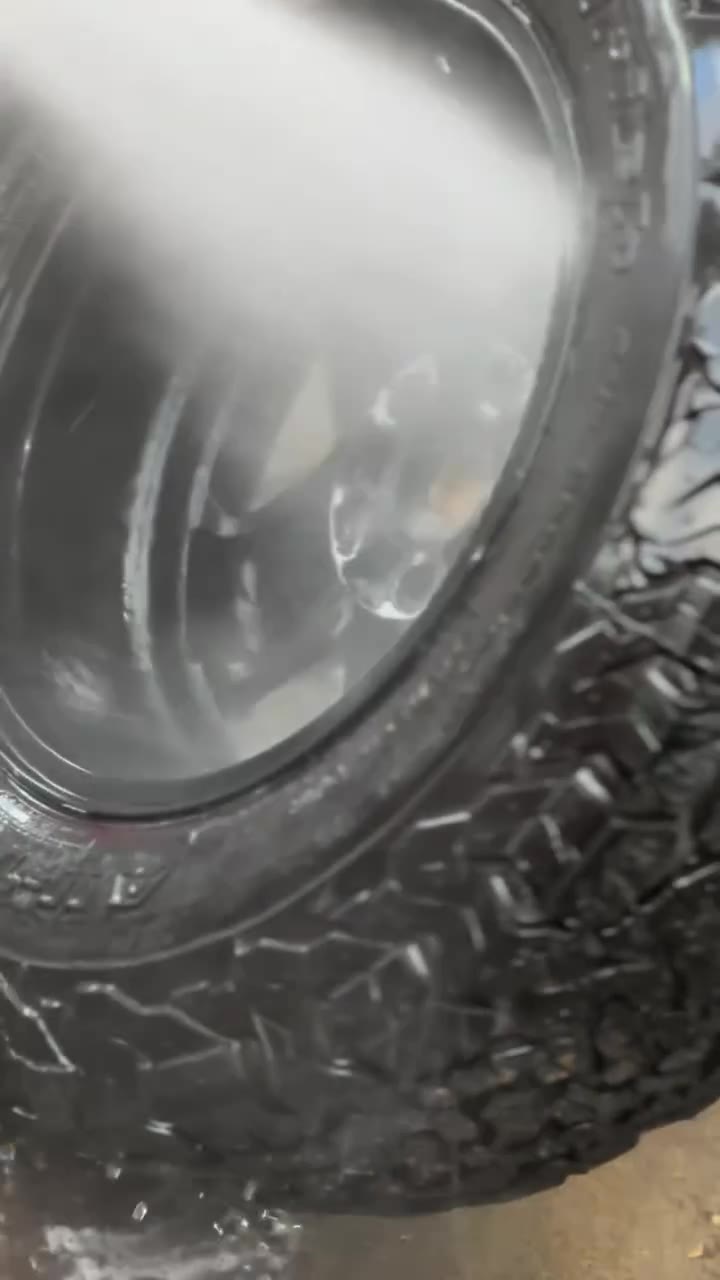
Jeep — detailing wash at the JustCars studio in Almancil.
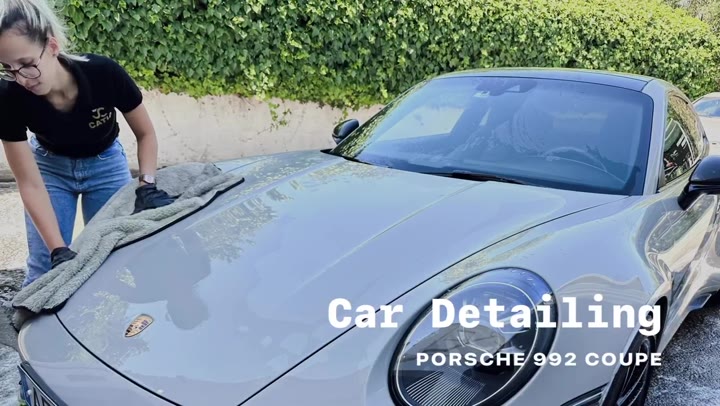
Detailing wash — real work from the JustCars studio floor in Almancil.